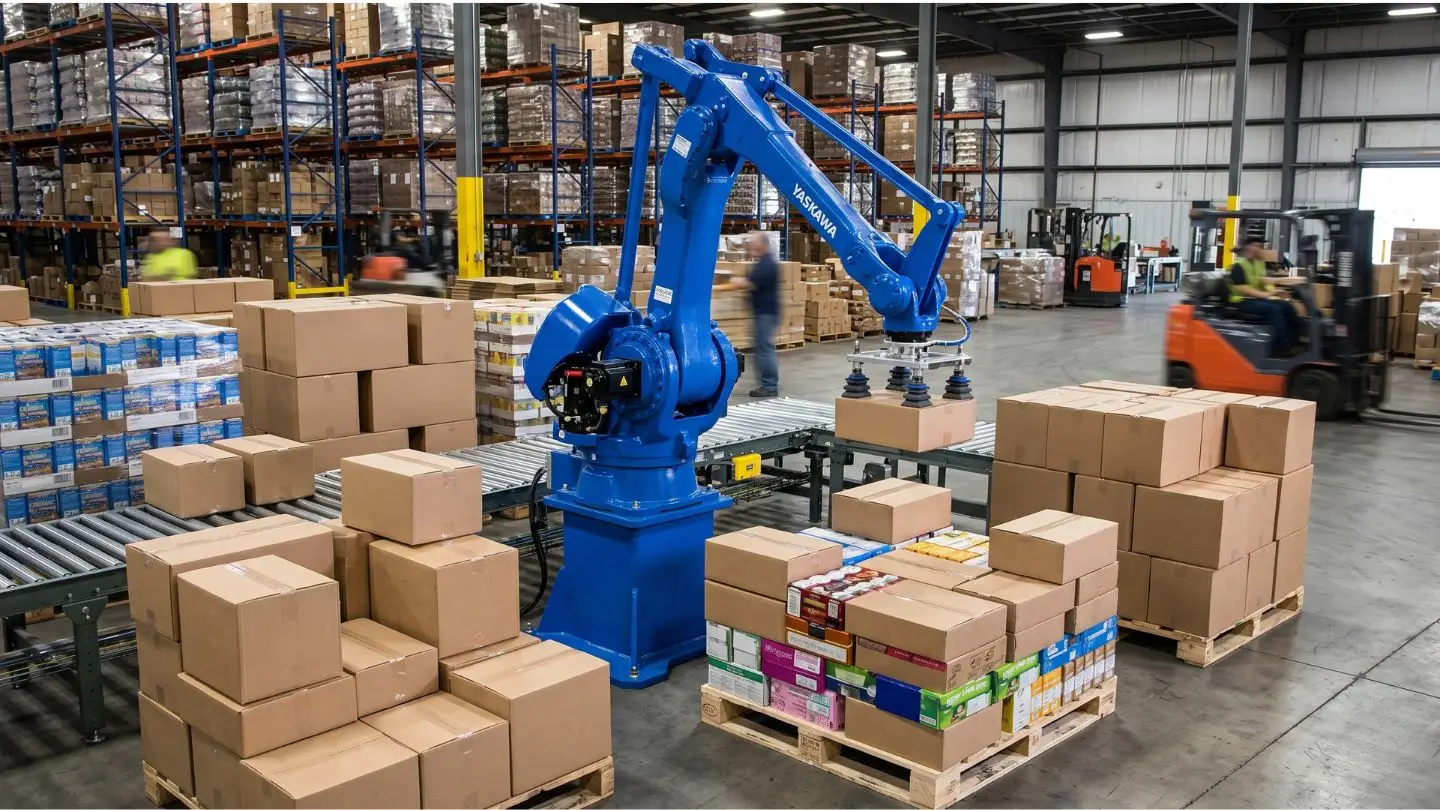
Robotic palletizing is no longer a “nice-to-have” in modern warehouse logistics. It’s becoming a necessity. As warehouses deal with higher volumes, more SKUs, and increasing pressure on labor, automation is often the only viable path forward.
But implementing robotic palletizing isn’t as simple as installing a robot arm and pressing start. Many companies quickly discover that real-world operations are far messier than expected. Variability, unpredictability, and integration challenges can turn a promising investment into a frustrating bottleneck.
Understanding these challenges, and how modern systems address them, is key to making automation actually work.
1. Handling SKU Variability in Robotic Palletizing
In theory, palletizing is straightforward: stack boxes in a predefined pattern. In reality, warehouses deal with constant variability. Different product sizes, weights, packaging types, and fragility levels all need to be handled within the same workflow.
Traditional palletizing systems struggle in this environment because they rely on predefined logic. Every new SKU often requires manual configuration, which slows down operations and increases dependency on engineering teams.
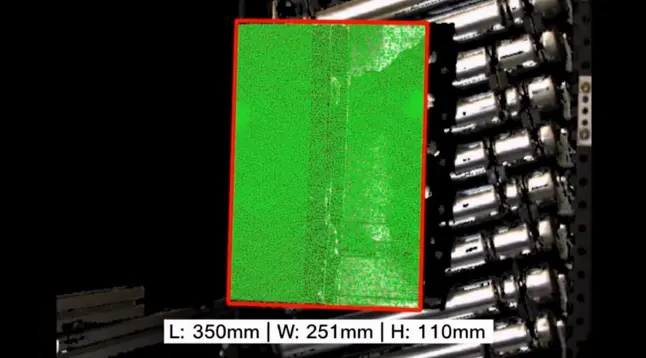
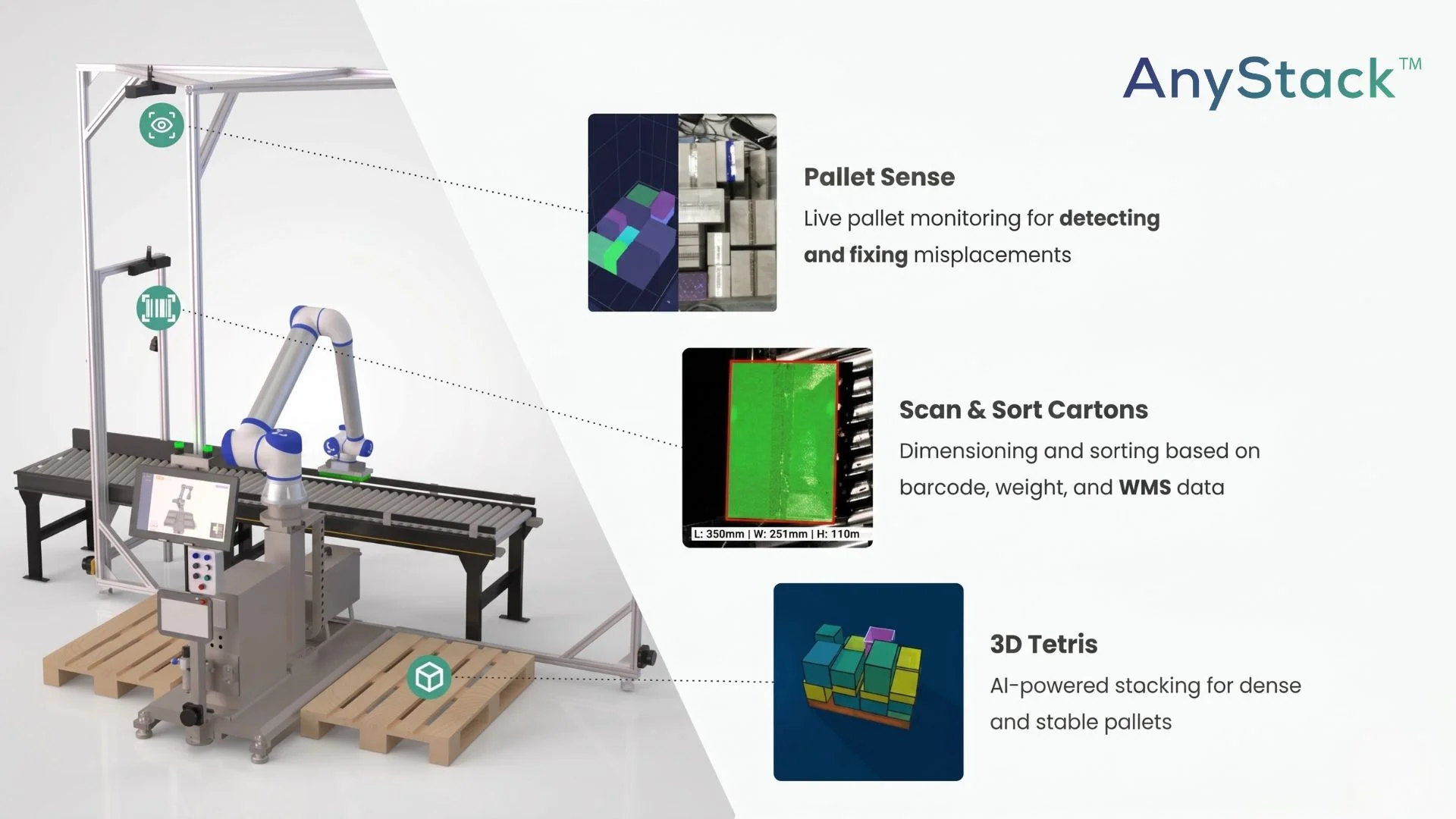
Modern systems approach this differently. Instead of relying on fixed rules, they use real-time perception and adaptive logic. Boxes are measured as they arrive, and placement decisions are made dynamically in real time. This allows operations to handle a wide range of SKUs without constant reprogramming.
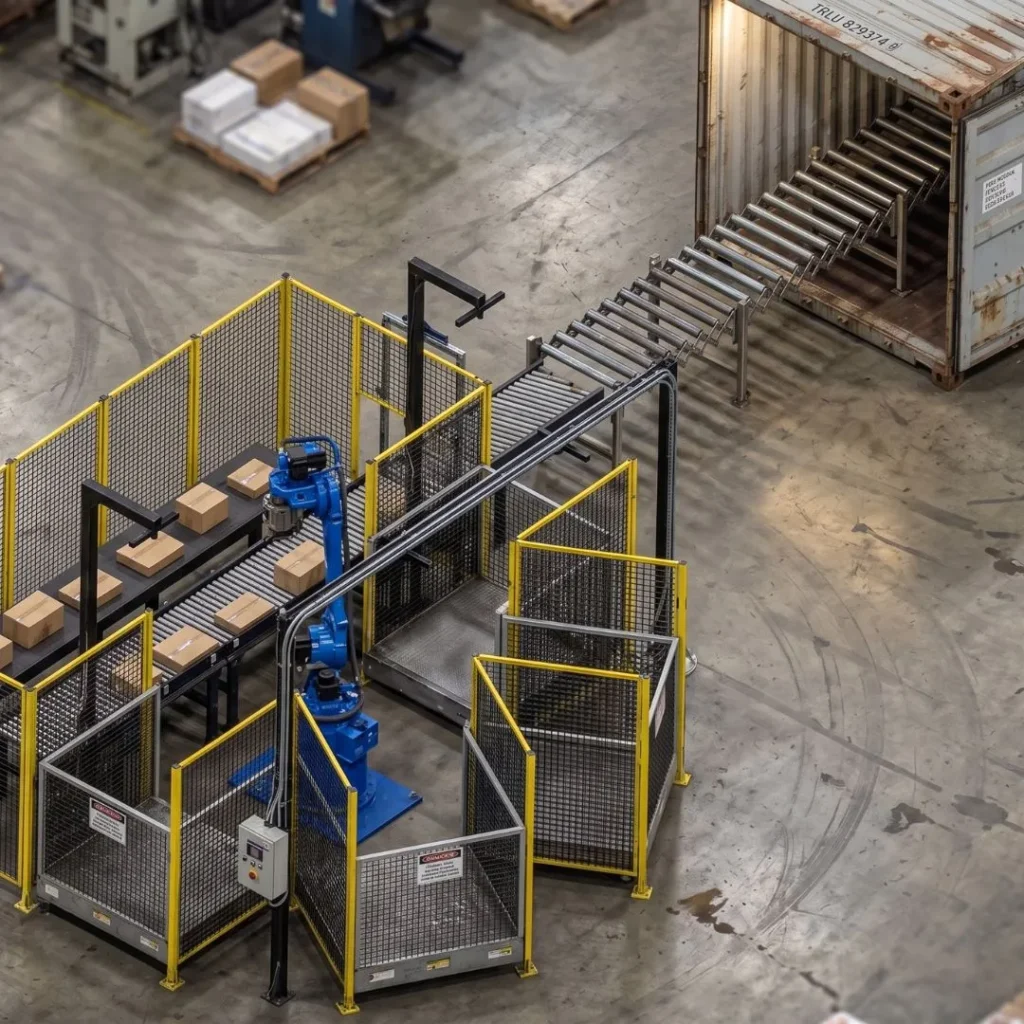
This adaptive approach is equally valuable across both inbound and outbound palletizing workflows. In inbound palletizing scenarios (such as palletizing after container unloading) the system must first understand and classify incoming boxes, then intelligently sort and stack them into organized, single-SKU pallets for efficient storage. This requires not only accurate perception, but also decision-making around grouping and pallet composition.
For the outbound warehouse operations, the challenge shifts: boxes must again be identified and interpreted in real time, but now sorted by destination, carrier, or order requirements, while also being placed optimally on the pallet to ensure stability and space utilization. In both cases, the ability to perceive, think, and act dynamically is what enables truly flexible and efficient palletizing operations.
2. Random Sequences in Outbound Palletizing
One of the biggest gaps between theory and reality is input flow. In most real warehouses, products don’t arrive in clean, pre-sorted sequences. They come in mixed, unpredictable streams that change throughout the day.
Traditional systems depend heavily on sequencing. That means additional infrastructure (like buffers, sorters, or manual intervention) is needed to organize products before palletizing can even begin. Even in some more “modern” solutions end users need to utilize bulky sequencing setups with extra robots, and temporary storage which of course increases footprint and system complexity.
The result is higher costs, much slower operations, and thus reduced palletizing throughput.
Newer, turnkey approaches (like the AnyStack Palletizer) eliminate the need for sequencing altogether. By analyzing each case in real time and making instant placement decisions, intelligent palletizing systems can build stable pallets directly from random input. This removes upstream dependencies and enables a much smoother, and faster flow without interruptions.
3. Pallet Stability and Quality
A pallet is only as good as its stability. Poor stacking leads to damaged goods, safety risks, and costly returns. In manual processes, stability often depends on human experience, which can vary from operator to operator.
Even traditional automated systems can fall short if they rely on rigid patterns that don’t adapt to real-world conditions.
Advanced palletizing systems address this by continuously optimizing how each box is placed. They take into account factors like weight distribution, box dimensions, and stacking geometry in real time. The result is consistently stable pallets, even when dealing with mixed SKUs and unpredictable sequences.
This consistency doesn’t just improve safety. Pallet stability and density (high fill rates) also result in reduced waste and improved downstream efficiency.
4. Integration with Existing Systems
Automation projects rarely exist in isolation. Palletizing systems need to connect with warehouse management systems (WMS), warehouse control systems (WCS), and other operational software.
This is where many projects run into trouble.
Traditional solutions often require heavy customization, long deployment timelines, and ongoing engineering support. Integration (as well as maintenance) becomes a project in itself, delaying ROI and increasing risk.
Modern systems like AnyStack are increasingly designed with integration in mind. Pre-configured interfaces, standardized communication protocols, and modular architectures make it easier to connect with existing infrastructure.

5. Scalability and Future-Proofing
Warehouses don’t stay the same for long. Product catalogs grow, order profiles change, and throughput demands increase. A system that works today may become a limitation tomorrow.
Rigid palletizing solutions are particularly vulnerable to this. They’re often designed for a specific use case, and adapting them later can be expensive or even impractical.
Flexible, turnkey systems offer a different path. They can scale with the operation, handle new product mixes, and adapt to changing workflows without major redesigns. Continuous software updates also mean the system can improve over time, rather than becoming obsolete.
Final Thoughts
Robotic palletizing is not just about automation, it’s about handling complexity.
The biggest shift happening today is a move away from rigid, rule-based systems toward flexible, intelligent solutions that adapt to real-world conditions. Companies that embrace this shift are not just automating a task; they are future-proofing their operations with systems that keep delivering value as demands evolve.
Contact us and take your first step towards warehouse automation today.